
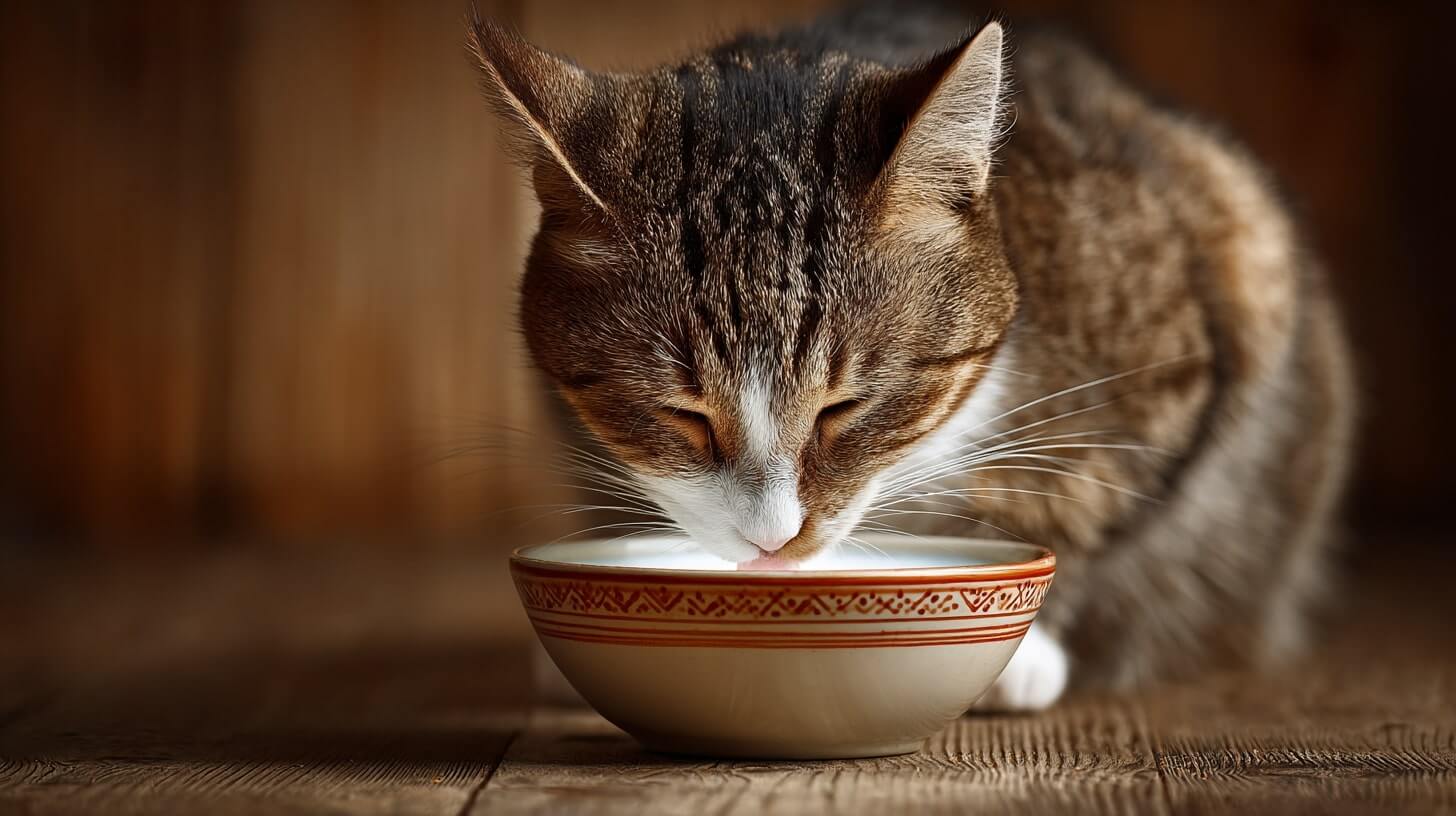
There’s this oddly enduring image many of us grew up with: a cute cat lapping happily from a saucer of milk. It’s everywhere—cartoons, storybooks, old films. It feels… right. Natural, even. But is it? Can cats drink milk? Or more importantly—should they?
Let’s start with the short answer: most cats can’t digest milk properly. That’s the twist. The very thing we associate with comfort and cuteness might actually upset their stomachs.
The Lactose Problem
Here’s what’s going on behind the scenes. Kittens are born with the enzyme lactase, which helps them digest lactose, the sugar found in their mother’s milk. That makes perfect biological sense—milk is their first food source. But as they grow and transition to solid food, lactase production usually drops off. Some cats lose it almost entirely.
Without enough lactase, the lactose in cow’s milk (or goat’s, or anything dairy, really) doesn’t break down properly. It ends up fermenting in the gut, which often leads to diarrhea, gas, bloating, or just general discomfort.
This condition is called lactose intolerance, and it’s pretty common in adult cats.
According to a review in Veterinary Clinics of North America: Small Animal Practice, adult cats “frequently develop signs of lactose intolerance when fed milk, particularly in large amounts.” (Zoran, 2002)

Interestingly, not all cats are lactose intolerant. Some retain enough lactase into adulthood to tolerate a bit of milk now and then. But—and this is important—you can’t tell just by looking. It’s not about breed or body type. It’s more like a digestive lottery.
What If My Cat Loves Milk?
Some do. Or at least they think they do. It’s hard to say whether it’s the creamy texture or the novelty, but many cats get excited when they smell milk. That doesn’t mean it’s good for them.
Kind of like how some people are drawn to junk food even though it wrecks their stomach later. You can technically offer a small amount of milk as an occasional treat, but it’s a gamble—and not necessarily worth the risk.
There are lactose-free cat milks on the market, specially formulated for feline digestion. These are usually safe in moderation, and if you really want to share a creamy moment with your pet, those are the better choice.
Isn’t Milk Nutritional, Though?
Nutritionally? Not really. Not for cats. Milk isn’t dangerous in the way chocolate is for dogs, but it also doesn’t offer anything that a complete, balanced cat diet doesn’t already provide.
Protein? Cats already get that from meat. Calcium? Yes, but they don’t need extra. Hydration? Better to stick with fresh water.
If anything, milk is more risk than reward.
A Real-World Anecdote (Okay, Slightly Personal)
My childhood cat, Pepper, used to sneak sips from my cereal bowl. I thought it was adorable—until the unpleasant litter box aftermath kicked in. We had no idea at the time that the milk was causing her trouble. It just didn’t seem like something that could be bad. It was milk, after all.
That’s part of what makes this topic a little tricky. It goes against an ingrained mental image. But once you understand the science, it’s easier to shift that perception.
So… Can Cats Drink Milk?
Technically? Sometimes. Safely? Not really. Advisable? Generally no.
The bottom line is this: cats can drink milk, but most shouldn’t, and they definitely don’t need it. If you’re ever tempted to pour a saucer for your feline friend, just think of it as more of a cartoon relic than an actual treat.
And if you’re set on offering a milky indulgence? Go with a lactose-free cat milk, in small amounts, and see how they handle it. Even then—watch for signs of stomach upset.
References
- Zoran, D. L. (2002). “Nutritional Management of Feline Gastrointestinal Diseases.” Veterinary Clinics of North America: Small Animal Practice, 32(6), 1285–1305.
- Case, L. P., Carey, D. P., Hirakawa, D. A., & Daristotle, L. (2010). Canine and Feline Nutrition (3rd ed.). Elsevier Health Sciences.
- Fascetti, A. J., & Delaney, S. J. (2012). Applied Veterinary Clinical Nutrition. Wiley-Blackwell.