
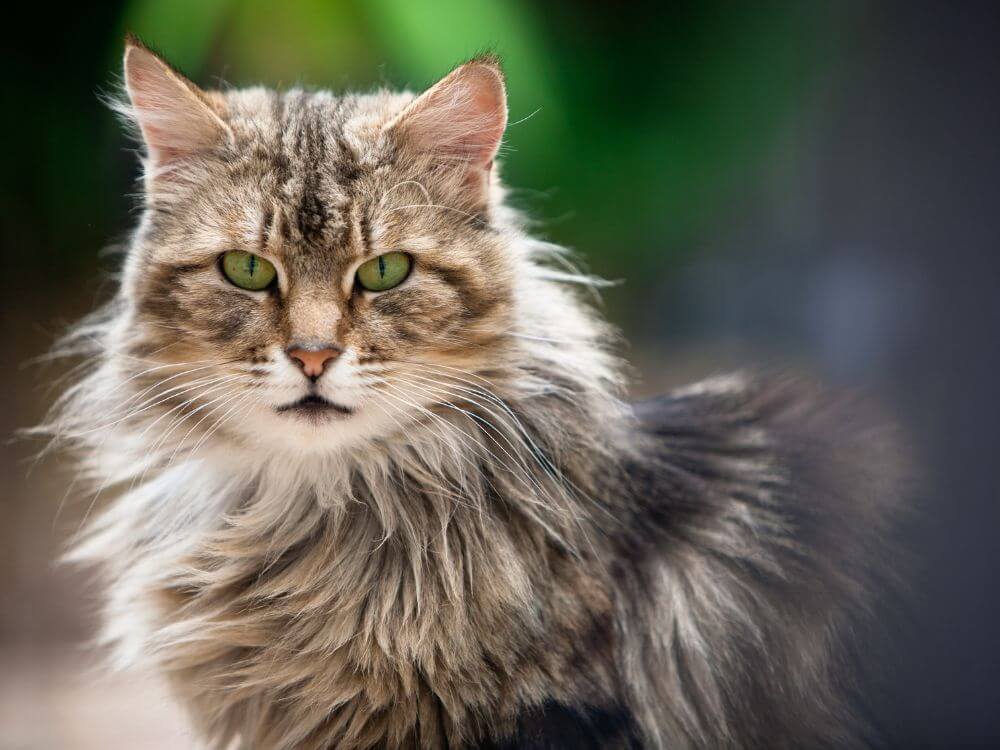
Taurine deficiency symptoms in cats are often overlooked, yet they can lead to severe health issues if not recognized early. Taurine is an essential amino acid that cats cannot produce on their own, making it crucial for owners to spot the warning signs and address them through proper diet and care. This article explores the key symptoms of taurine deficiency in cats, its causes, and steps to address it.
Why Taurine Is Essential for Cats
Taurine plays a pivotal role in several physiological processes, including:
- Heart function: Supports proper cardiac muscle activity.
- Vision: Maintains retinal health and prevents degeneration.
- Reproduction: Essential for fetal development and reproductive health.
- Immune system: Supports overall immune function.
A lack of taurine in a cat’s diet can lead to serious health complications over time. Understanding the symptoms of taurine deficiency can help cat owners act quickly to prevent long-term damage.
Symptoms of Taurine Deficiency in Cats
Taurine deficiency develops gradually, and symptoms may not be immediately obvious. However, the following signs are commonly associated with this condition:
1. Vision Problems
Taurine deficiency can cause feline central retinal degeneration (FCRD), a condition that affects the retina and can lead to vision impairment or blindness. Symptoms include:
- Difficulty navigating in low-light conditions.
- Bumping into objects or seeming disoriented.
- Dilated pupils or cloudy eyes.
- Reluctance to jump or climb, indicating impaired depth perception.
2. Heart Issues
Taurine deficiency is strongly linked to dilated cardiomyopathy (DCM), a heart condition where the heart muscle weakens, reducing its ability to pump blood effectively. Signs to watch for include:
- Lethargy or weakness.
- Difficulty breathing or rapid breathing.
- Reduced appetite or weight loss.
- Fainting or collapse in severe cases.
3. Reproductive and Developmental Problems
In pregnant cats, taurine deficiency can lead to reproductive issues, such as:
- Miscarriages or stillbirths.
- Kittens born with low birth weight or developmental abnormalities.
- Poor growth rates in kittens.
4. Immune System Weakness
A lack of taurine can compromise a cat’s immune system, making them more susceptible to infections and illnesses. Symptoms may include:
- Frequent infections or slow recovery from illness.
- Poor coat condition, such as dull or thinning fur.
- General lethargy or lack of energy.
5. Digestive and Neurological Issues
Though less common, taurine deficiency may also manifest as:
- Poor digestion or gastrointestinal upset.
- Muscle tremors or weakness.
- Behavioral changes, such as increased irritability or withdrawal.
Causes of Taurine Deficiency in Cats
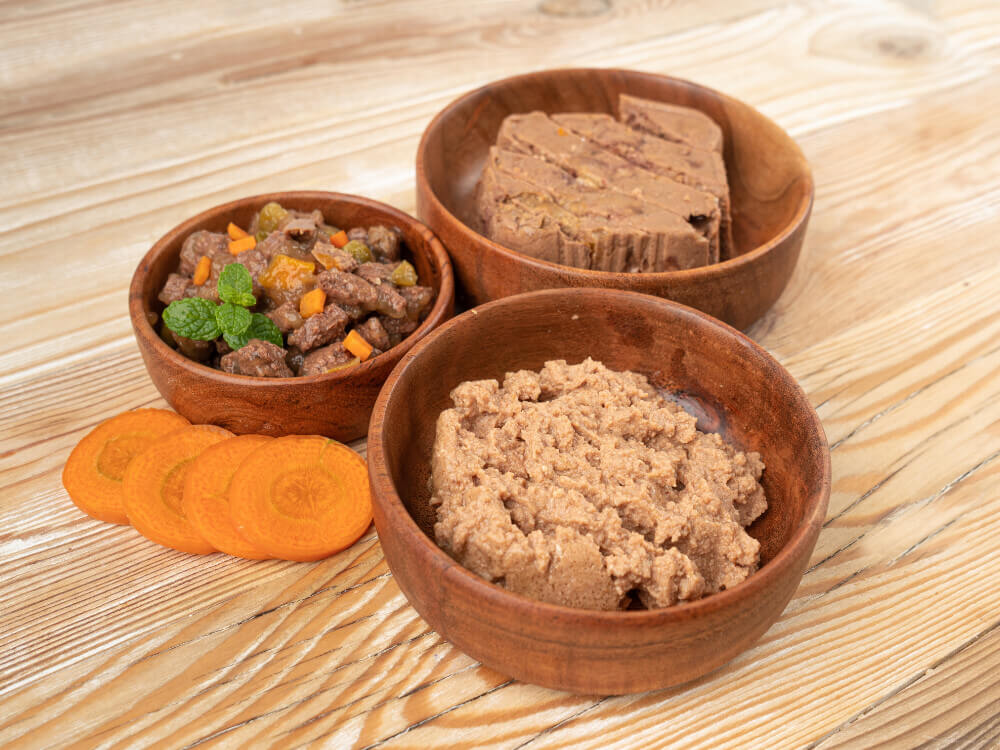
Taurine deficiency typically arises from dietary issues. Common causes include:
- Homemade or unbalanced diets: Diets lacking sufficient taurine, such as those primarily composed of plant-based ingredients or cooked meats (cooking can reduce taurine content).
- Low-quality commercial foods: Some low-cost cat foods may not meet the minimum taurine requirements.
- Vegetarian or vegan diets: Cats are obligate carnivores, and plant-based diets are typically deficient in taurine.
- Medical conditions: Certain health issues, such as malabsorption disorders, may prevent proper taurine absorption.
Diagnosing Taurine Deficiency
If you suspect taurine deficiency, consult a veterinarian promptly. Diagnosis typically involves:
- A thorough physical examination.
- Blood tests to measure taurine levels.
- Diagnostic imaging, such as echocardiograms for heart issues or eye exams for retinal degeneration.
- A review of the cat’s diet and health history.
Early diagnosis is critical, as some effects of taurine deficiency, like retinal degeneration or DCM, may be irreversible if not addressed promptly.
Treatment and Prevention
The good news is that taurine deficiency can often be managed or prevented with proper care. Steps include:
- Switch to a high-quality diet: Choose commercial cat foods labeled as “complete and balanced” and approved by the Association of American Feed Control Officials (AAFCO). These foods are formulated to meet a cat’s taurine needs.
- Taurine supplementation: Under veterinary guidance, taurine supplements can help restore levels in deficient cats. Dosage depends on the severity of the deficiency and the cat’s condition.
- Regular veterinary checkups: Routine exams can catch early signs of deficiency before they become severe.
- Avoid homemade diets without guidance: If preparing homemade food, work with a veterinary nutritionist to ensure adequate taurine content.
Recovery Outlook
With early intervention, many cats can recover from taurine deficiency. For example:
- Heart function may improve with taurine supplementation in cases of DCM, though severe cases may require additional medications.
- Vision loss due to retinal degeneration is often irreversible, but further damage can be prevented.
- Kittens born to taurine-deficient mothers may face lifelong challenges, emphasizing the importance of proper nutrition during pregnancy.
Conclusion
Taurine deficiency in cats is a serious but preventable condition. By recognizing symptoms like vision problems, heart issues, or reproductive challenges, cat owners can take swift action to protect their pets. Feeding a high-quality, taurine-rich diet and scheduling regular veterinary visits are the best ways to ensure your cat stays healthy. If you notice any concerning symptoms, consult your veterinarian immediately to discuss testing and treatment options.