
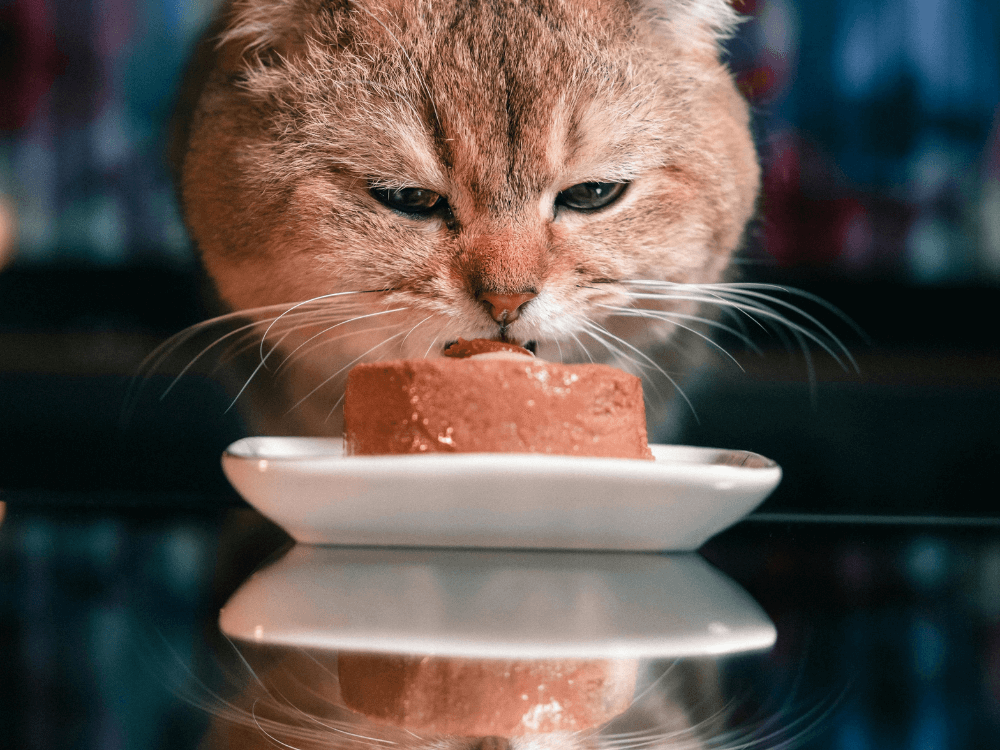
As cat owners, we all want the best for our furry companions, especially as they enter their golden years. It’s not uncommon to see a senior cat nosing around a bowl of kitten food, perhaps drawn by its richer aroma. This leads many pet parents to wonder: Can senior cats eat kitten food?
Understanding the Difference Between Kitten Food and Senior Cat Food
Kitten food is formulated for rapid growth and development. It’s typically:
- Higher in calories (to fuel boundless energy)
- Richer in protein (for muscle and tissue building)
- Fortified with extra vitamins, minerals, and fatty acids like DHA (for brain and vision development)
- Contains specific calcium-phosphorus ratios for bone formation
Senior cat food, in contrast, addresses the changing needs of aging felines:
- Controlled calories to prevent weight gain (as metabolism slows)
- Moderate, high-quality protein (to support aging muscles without overworking kidneys)
- Joint-supporting nutrients like glucosamine and chondroitin
- Reduced phosphorus levels to support kidney health
- Often includes fiber for digestive regularity
The Potential Risks of Feeding Kitten Food to Senior Cats

While an occasional nibble won’t cause harm, making kitten food a regular part of a senior cat’s diet presents several concerns:
- Weight Gain and Obesity: Senior cats are generally less active. The high-calorie content of kitten food can quickly lead to unhealthy weight gain, exacerbating arthritis and other conditions.
- Kidney Strain: The higher protein and phosphorus levels in kitten food may burden aging kidneys. Many senior cats develop some degree of renal insufficiency, and inappropriate nutrition can accelerate this process.
- Nutritional Imbalance: Senior cats have different vitamin and mineral requirements. An excess of certain nutrients designed for growth could potentially interfere with the delicate balance needed in their later years.
- Digestive Issues: The rich formulation of kitten food might be harder for some older cats to digest, potentially leading to gastrointestinal upset.
When Might Kitten Food Be Considered?
There are specific situations where a veterinarian might recommend incorporating kitten food or similar high-nutrient options:
- Underweight Seniors: For cats struggling to maintain weight due to illness or poor appetite, the calorie density of kitten food can be temporarily beneficial.
- Picky Eaters: The stronger aroma and flavor might entice a senior cat with a fading sense of smell to eat.
- Medical Conditions: Certain illnesses causing muscle wasting (like hyperthyroidism) may necessitate a higher-protein diet, under strict veterinary guidance.
Crucial Note: Any dietary change for a senior cat should only be made in consultation with a veterinarian, who can consider the cat’s specific health profile.
The Best Path Forward: Senior-Specific Nutrition
Rather than reaching for kitten food, the best approach is to select a diet formulated specifically for senior or geriatric cats. Look for:
- High-quality, easily digestible protein sources like chicken or fish
- Controlled calorie content to maintain an ideal body condition
- Added joint support (glucosamine, EPA/DHA)
- Antioxidants (Vitamins C and E) to support the immune system
- Adapted fiber blends for digestive health
Feeding Tips for Multi-Cat Households
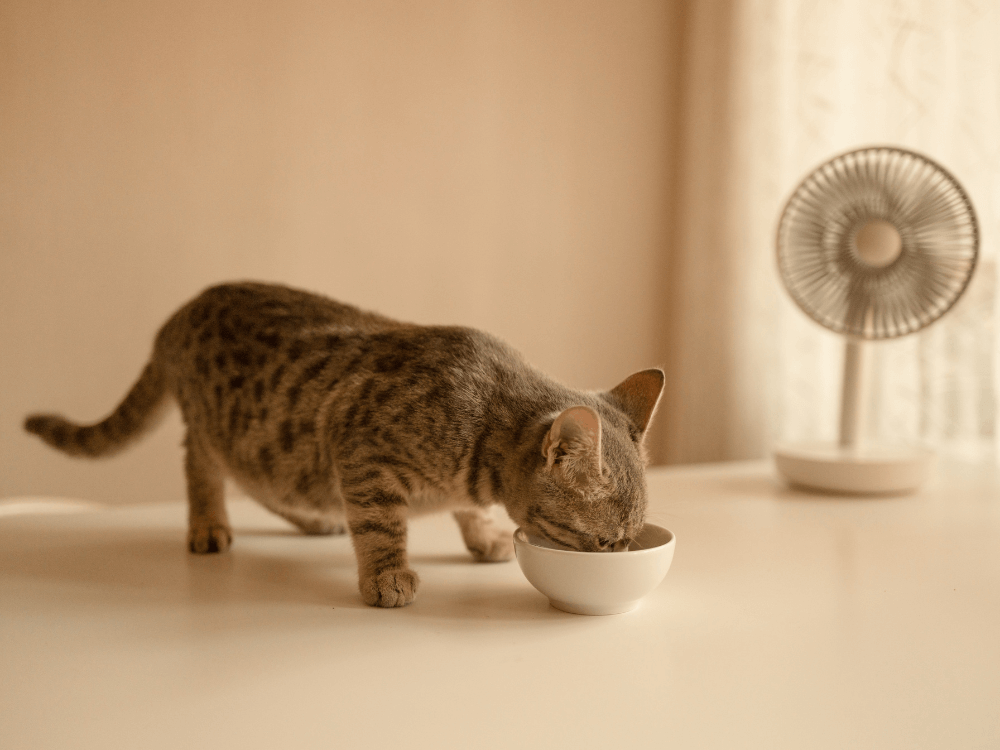
If you have both kittens and senior cats, feeding can get tricky. A few practical tips:
- Feed cats in separate rooms if possible
- Pick up leftover food after meals
- Use microchip feeders to prevent food stealing
- Schedule meal times instead of free-feeding
This helps ensure each cat gets the nutrition meant for their life stage.
The Bottom Line
While the idea of giving our seniors the “richer” kitten food comes from a place of love, it’s generally not the nutritionally sound choice. The dietary needs of a growing kitten and an aging cat are fundamentally different – almost opposite in some respects.
The most loving gift you can give your senior cat is a diet tailored to their life stage, regular veterinary check-ups, and plenty of gentle companionship. By understanding and respecting their changing nutritional requirements, we can help ensure their golden years are not just longer, but healthier and more comfortable.
Always consult your veterinarian to determine the optimal diet for your individual cat – because when it comes to nutrition, one size (or one life stage) does not fit all.